Easy Garlic Soda Bread – A Delicious Irish Bread Recipe
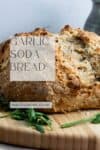
Love fresh bread but short on time? This garlic soda bread is quick, fuss-free, and packed with flavour! No yeast, no kneading—just mix, shape, and bake for a golden Irish bread with a crispy crust and soft, cheesy centre. Perfect with soups, stews, or simply slathered in butter.
Recipe Overview
Skill Level:
BEGINNER
Prep Time:
20 MINUTES
Cook Time:
30 MINUTES

What Makes This Recipe Great
No Yeast, No Fuss – This garlic soda bread is ready in under an hour with no kneading or proving needed. Just mix, shape, and bake!
Packed with Flavour – Roasted garlic and parmesan add a rich, savoury depth, making this a perfect flavoured soda bread for serving alongside soups or stews.
Beginner-Friendly – Even if you’ve never baked bread before, this Irish bread is practically fool-proof—simple ingredients, minimal steps, and a delicious result.
If you love the rich flavours of flavoured soda bread, this garlic soda bread with parmesan is a must-try! Made in just one bowl with no yeast and no kneading, this quick Irish bread comes together in minutes. The roasted garlic adds a mellow, smoky depth, while parmesan gives a rich, savoury twist.
Unlike traditional bread, soda bread uses bicarbonate of soda instead of yeast, meaning you can bake it straight away—no waiting for it to rise! The result? A rustic, golden-crusted loaf with a soft, crumbly texture that pairs beautifully with soups, stews, or a simple spread of butter.
With just a handful of ingredients and minimal effort, this parmesan soda bread is perfect for beginners and busy bakers alike. Whether you’re making it for a hearty dinner or a quick snack, it’s a simple yet satisfying bake.
What Is Soda Bread?
Soda bread is a traditional Irish bread made without yeast, using bicarbonate of soda as a leavening agent. This means no waiting for the dough to rise—just mix, shape, and bake! The result is a rustic, crusty loaf with a soft, crumbly texture.
In this recipe, we’re making a flavoured soda bread with garlic and parmesan, adding depth and richness to the classic loaf. The roasted garlic brings a mellow, slightly smoky flavour, while parmesan adds a savoury, cheesy twist.
Unlike sourdough, which relies on natural fermentation, soda bread rises through a simple reaction between bicarbonate of soda and an acid—typically buttermilk. If you don’t have buttermilk on hand, you can always make your own homemade buttermilk, saving you a trip to the supermarket.
Whether enjoyed fresh out of the oven with butter or served alongside a hearty meal, this parmesan soda bread is a delicious take on an Irish classic.
Check Out More Bread Recipes:

Cheese-Stuffed Breadsticks – A deliciously soft breadstick, flavoured with red onion and cheddar. Perfect for snacks and picnics.

Parmesan and Oregano Bread Rolls – These soft rolls with the flavour on top make for great bread rolls that can be served with a variety of fillings.

Soft Butter-less Burger Buns – Soft, quick baked bread rolls that are perfect to stuff with your favourite burger fillings.
Equipment Needed:
- Mixing Bowl: A large mixing bowl is used to combine the dry and wet ingredients for the soda bread dough, allowing for easy mixing and blending.
- Whisk or Spoon: A whisk or spoon is used to stir and combine the ingredients together, ensuring they are well incorporated.
- Baking Sheet or Baking Stone: A baking sheet or baking stone is used to place the soda bread dough for baking.
- Parchment Paper or Baking Mat: Parchment paper or a baking mat is used to line the baking sheet, preventing the dough from sticking and making clean-up easier.
- Knife or Dough Scraper: A knife or dough scraper is used to score the top of the soda bread dough before baking. It helps control the expansion of the dough during baking and creates an attractive pattern on the loaf.
- Cooling Rack: A wire cooling rack is used to transfer the baked soda bread from the baking sheet, allowing it to cool evenly and prevent the bottom from becoming soggy.
- Bread Knife: A bread knife is used to slice the cooled soda bread into individual servings. Its serrated blade makes clean and precise cuts.
Ingredients:

- Plain White All-Purpose Flour & Wholemeal – This is the base for your dough. Stick with these ingredients and don’t use bread flour. Bread flour works better when yeast is present in a recipe. Wholemeal flour works best when combined with white flour. Using only wholemeal flour will give you a loaf that is too dense.
- Bicarbonate of Soda (Baking Soda) – This creates a rise in the loaf when it interacts with the buttermilk.
- Salt – This adds flavouring to the bread and stops it tasting too bland.
- Butter – This aids with the rise and gives the bread a crispier crust. You can substitute it with olive oil if you wish.
- Buttermilk – This acidic component interacts with the baking soda, causing the bread to rise. If you don’t have any to hand, you can make your own buttermilk in under 20 minutes.
- Roasted Garlic – This has a milder, smoky taste infusing the bread with a delicious garlic flavour. You can roast your own garlic at home. If you would rather use plain garlic, you can, but we would recommend using only 1-2 cloves instead owing to its stronger flavour.
- Fresh Parsley – You can use dried parsley if you want to, just use less. Dried parsley is more concentrated than its fresh counterpart, so you don’t need as much.
- Parmesan – The combination of parmesan and roasted garlic gives this bread an Italian quality. You can, however, use a different cheese, although the flavour will differ from this loaf.
Substitutions and Additions:
Wondering if you can substitute or add an ingredient? Here, I will tell you if that’s possible.
- Cheese & Herb Variations: Swap parmesan for cheddar, Gruyère, or pecorino for a different cheesy twist. Fresh rosemary, thyme, or chives also work well instead of parsley.
- Add a Crunch: Sprinkle sesame seeds, sunflower seeds, or pumpkin seeds on top before baking for extra texture and nuttiness.
- Onion & Shallots: Finely chopped spring onions, shallots, or caramelised onions can be mixed into the dough for a slight sweetness that complements the savoury garlic and cheese.
Smart Shortcuts:
In a rush and need to take some shortcuts with this recipe? Here’s some ideas:
Roasted Garlic – You can buy roasted garlic at the supermarket if you don’t have time to roast it yourself.

Step-By-Step Guide – How to Make Garlic Soda Bread with Parmesan




Why Does Soda Bread Have a Cross on Top?
The cross on top of soda bread has both traditional and practical purposes. In Irish folklore, it was believed to ward off evil spirits and bless the bread, but it also plays an important role in baking.
Scoring a deep cross allows heat to penetrate the centre, ensuring the loaf bakes evenly without a dense or doughy middle. It also helps the bread rise properly, giving it a lighter texture. Additionally, the cross makes it easier to break into portions once baked—perfect for serving and sharing.
So, while the cross has a rich history, it’s also a clever baking technique that helps create a perfectly baked, airy loaf.

Frequently Asked Questions
Yes, but fresh garlic is much stronger. If swapping, use only 1-2 cloves, finely minced, to avoid overpowering the flavoured soda bread.
Tap the bottom of the loaf—if it sounds hollow, it’s ready.
Scoring a deep cross on top helps the bread bake evenly, allowing heat to penetrate the centre. Traditionally, it was also said to “let the fairies out” in Irish folklore!
Mastering This Recipe – Expert Tips
- Cut a Deep Cross for Even Baking – Scoring a deep cross into the dough helps it bake evenly and prevents a dense centre.
- Use Fresh Bicarbonate of Soda – For the best rise, make sure your bicarbonate of soda is fresh. If it’s been open for more than 6 months, it may not be as effective.
- Don’t Overwork the Dough – Mix the ingredients until just combined. Overmixing can make the bread dense instead of light and crumbly.
- Serve Warm for the Best Flavour – This garlic soda bread is best enjoyed fresh from the oven with butter or alongside soups and stews.
Storage
- At Room Temperature: Store your garlic soda bread in an airtight container or bread bag at room temperature for up to 3 days. Keep it in a cool, dry place to maintain freshness.
- Freezing: To extend its shelf life, wrap the parmesan soda bread tightly in cling film or a freezer-safe bag. Freeze for up to 3 months.
- Slicing Before Freezing: If freezing, slice the bread first. This makes it easier to thaw individual portions without defrosting the whole loaf.
- Thawing & Reheating: Let the bread thaw at room temperature before serving. For a freshly baked taste, warm slices in the oven for 5–10 minutes at 160°C (320°F) or toast them lightly.

Easy Garlic Soda Bread – A Delicious Irish Bread Recipe
Ingredients
- 125 g Plain White Flour
- 125 g Plain Wholemeal Flour
- 0.5 tsp Bicarbonate of Soda
- 0.25 tsp Fine Sea Salt
- 30 g Butter, room temperature
- 200 ml Buttermilk
- 40 g Roasted Garlic, approximately 1 head of garlic
- 1 tbsp Fresh Parsley, chopped
- 50 g Finely Grated Parmesan, Plus optional extra to sprinkle on top.
Instructions
- Preheat the oven to 180°C (356°F). Preheating the oven ensures the best rise for the bread.
- In a large bowl or stand mixer, combine the plain white flour and plain wholemeal flour. No need to sift.
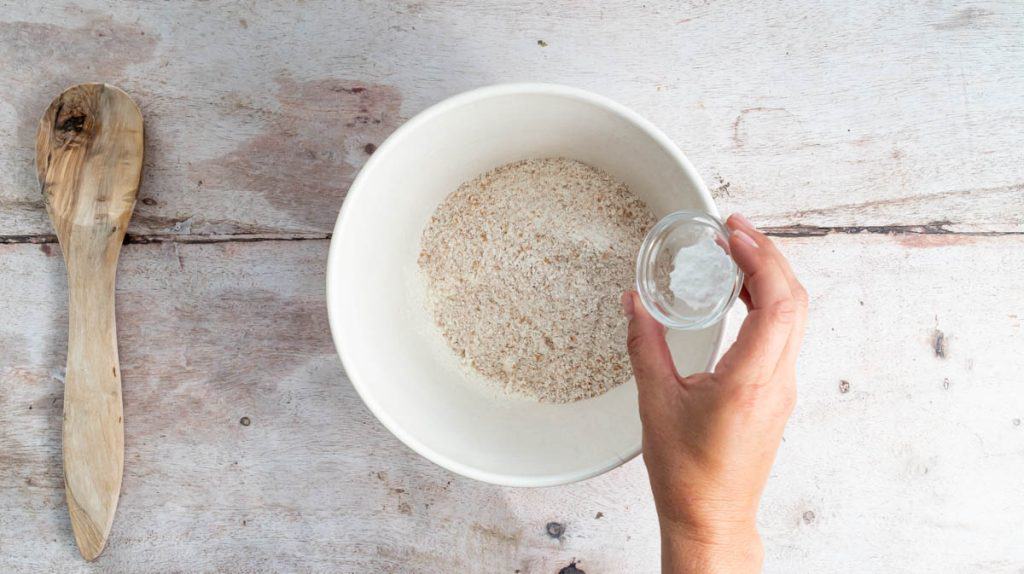
- Add the fine sea salt and bicarbonate of soda (baking soda), and mix well.
- Cut the room temperature butter into small cubes and rub it into the flour mixture using your hands or a mixer until it resembles breadcrumbs.
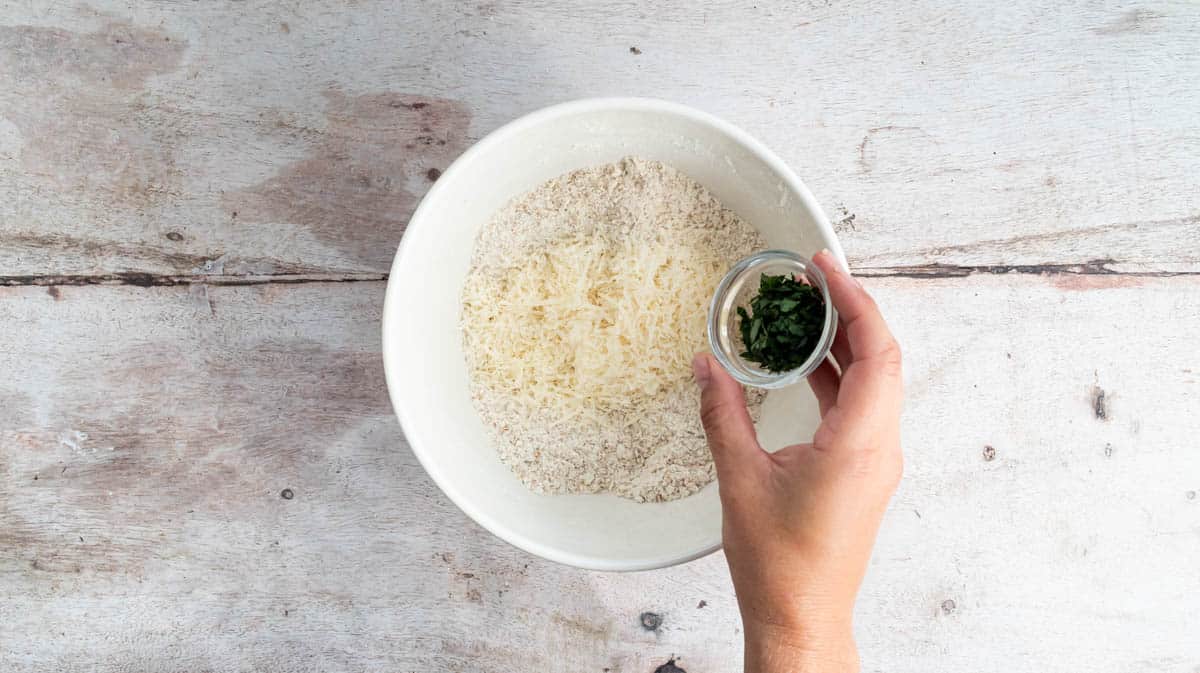
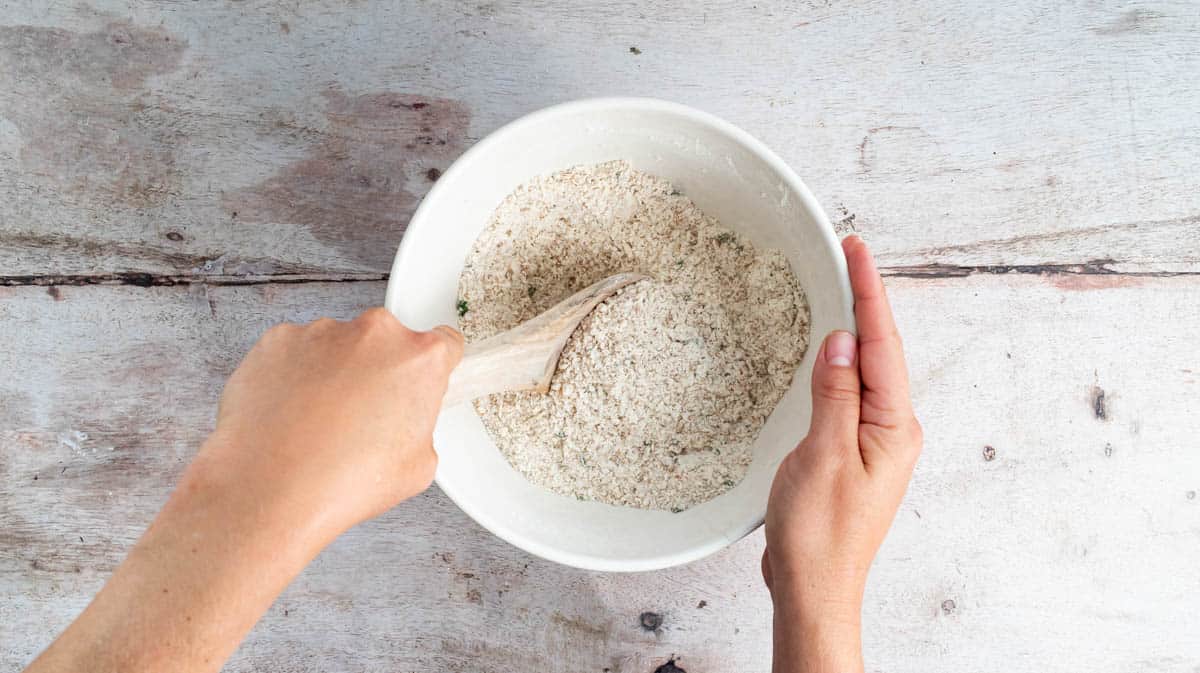
- Finely chop the fresh parsley and add it to the dough. Also, add the finely grated Parmesan. Mix thoroughly to evenly distribute the flavourings.
- Crush the roasted garlic into a paste using a pestle and mortar.
- Add the buttermilk and crushed garlic to the dough. Mix until all the ingredients are well incorporated. The dough will be sticky, which is normal for soda bread. Do not knead the dough.
- Shape the dough into a ball using floured hands.
- Place the dough ball on a lined and floured baking sheet. Use a sharp knife to make a deep cross on the top, cutting about two-thirds of the way through. Grease the knife slightly if it gets stuck.
- Once your dough is ready, flour your hands and shape it into a ball. Place the dough on a baking tray with some non stick baking paper that has a sprinkling of flour.
- Using a sharp knife, cut a deep cross about two thirds of the way through and dust with flour and extra cheese if you like the bread to have a stronger cheese flavour. The cuts in the dough help it to cook through.
- Place the loaf in the preheated oven.
- Bake the bread for 25-30 minutes or until golden brown. This may take a little longer than specified so, to check if it's done, lightly tap the bottom of the loaf with your fingers – it should sound hollow.
- Allow the loaf to cool slightly before serving.
Video
Recipe Notes
- Cut a Cross for Even Baking: Score the top of the dough with a cross to ensure even baking and avoid a doughy centre.
- Explore Flavour Variations: Get creative with herbs, spices, or cheeses to add a unique twist to your soda bread.
- Use Fresh Baking Soda: Ensure optimal rise by using fresh baking soda within 6 months of opening.
- Make Your Own Buttermilk: Create your own buttermilk if you don’t have any on hand.
- Handle the Dough with Care: Avoid overmixing and handle the dough gently to prevent a dense texture.
- Preheat the Oven Properly: Make sure the oven is fully preheated to 180C (350F) for optimal baking results.
- Allow for Proper Cooling: Let the loaf cool on a wire rack for 15-20 minutes to enhance flavours and texture.


Could always try adding a bit of nutritional yeast to boost the cheese flavor.
That’s a good idea, nutritional yeast will definitely boost a cheesy flavour if that’s what you’re after, but it’ll be a little different than Parmesan.
This bread is good, but doesn’t have much flavor. I can taste the roasted garlic but not the Parmesan. It needed more bake time than the recipe specified. If I make it again, I’ll try more cheese.
Hi Mary, Thanks for your feedback, I always appreciate the time it takes to come back and leave an honest review. I agree, the bread has quite a subtle flavour,. However, this can also be dependent on the age of the Parmesan you use too. The more mature the cheese, the stronger the flavour. I’ve taken your comment on board however, and upped the amount of cheese slightly while also recommending to sprinkle some extra parmesan on top of the bread for that extra cheesy flavour. With regards to bake time, this can vary depending on the type of oven you use, how long it has been preheated for etc. Just like cakes, there are times you will need to bake it for slightly longer, so it’s always worth checking the loaf by tapping the bottom to hear that hollow sound. If you decide to make it again, let me know how it goes.